


The Bed Rotting Myth: Real Ways to Recover from Functional Burnout
It is Friday evening. You have just closed your laptop after a week that felt 10 years long. Your brain feels like mush. Your body feels heavy.
You look at your bed. It looks like a cloud of safety.
You think, “I am going to stay there for the next 48 hours. I will not move. I will watch 12 hours of Netflix, doom school or even just read strangers comments on a random YouTube video. I will rot.”
If you are Gen Z, you know this as “Bed Rotting.” If you are a millennial or older, you probably just call it “depression napping” or “crashing.”
On social media, this is marketed as the ultimate form of self-care. It is aesthetic. It is cozy. It claims to be the cure for a busy life.
But let’s be honest for a second.
When you finally crawl out of that blanket burrito on Sunday night, do you actually feel rested? Or do you feel groggy, stiff, and strangely anxious about the week ahead?
At EverOakTales, we believe in living with intention, not just hiding from reality. I spent years in the cycle of “work hard, crash hard,” and I learned the hard way: Bed rotting is not recovery. It is avoidance.
Here is the truth about functional burnout and how to actually fix it without spending your entire weekend horizontal.
What is Functional Burnout? (Are You Faking Being Okay?)
Before we talk about the cure, we have to diagnose the problem.
Most people think burnout means you have collapsed. They imagine someone who literally cannot get out of bed.
However, Functional Burnout is much sneakier. And outerly different from what we think it is.
You are still going to work. You are still smiling at your barista. You are still meeting deadlines. But inside? You are running on caffeine and music. To be simply put, you are essentially a hollow shell going through the motions.
Signs you are dealing with functional burnout:
- You feel tired even after sleeping for 8 hours.
- Small tasks (like folding laundry) feel like climbing Mount Everest. And you think to yourself easy’s never been this hard.
- You are easily irritated by things that shouldn’t matter.
- You feel “numb” or detached from your life.
This is where the allure of bed rotting comes in. When you are this exhausted, doing nothing feels like the only option.
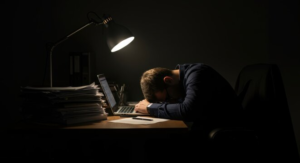
Why “Bed Rotting” is a Trap
Ideally, lying in bed should restore your energy. So, why doesn’t it work?
Physics explains this best: Objects at rest stay at rest.
When you stay in bed for 24 hours scrolling through your phone, you aren’t actually resting your brain. You are bombarding it with dopamine hits, blue light, and other people’s lives. Which is intoxicating your brain and health condition. You are physically still, but mentally, you are running a marathon.
Furthermore, staying indoors without sunlight disrupts your circadian rhythm. When we are meant to interact with humans as well as with nature. This makes it harder to sleep when you actually need to, leading to a vicious cycle of fatigue.
I tried the “bed rot” method for months. The result? I felt lethargic. My body ached from lack of movement. And my Sunday Scaries were worse than ever because I felt guilty for wasting my free time.
So, if staying in bed isn’t the answer to burnout recovery, what is?
Real Ways to Recover (That Actually Work)
I decided to run an experiment. I stopped the rotting. Instead, I focused on “Active Recovery.”
It sounds counterintuitive. “You want me to move? I’m exhausted!”
Hear me out. Recovery isn’t about doing nothing; it is about doing the right things to refuel your tank.
Here are the strategies that actually brought me back to life.
The “Low-Stakes” Movement
When you are burned out, a HIIT workout sounds like torture. Do not do that.
Instead, try a low-stakes movement. This simply means moving your body gently to get the blood flowing.
- The 10-Minute Walk:Put on shoes. Walk outside. No headphones. Just listen to the world and the nature it’s calling out to you.
- Stretching on the Floor:You don’t even have to stand up. Just stretch your back and legs.
Why it works: Movement releases endorphins. It signals to your body that you are alive and safe, rather than stuck in “freeze” mode.
Creative Rest (Stop Consuming, Start Creating)
We spend all day consuming. We consume emails, social media, news, and TV shows. This leads to “consumption fatigue.”
To recover, you need to flip the switch. You need to create.
Now, don’t panic. I am not telling you to paint a masterpiece.
- Doodle on a piece of paper.
- Write down three thoughts in a journal.
- Cook your favourite meal just enjoy the day.
Why it works: Creating something gives you a sense of agency. It reminds you that you are capable of making things happen, which combats the helplessness of burnout.

Sensory Rest (The “Quiet” Method)
If you are constantly overstimulated, your brain is on fire.
For this method, I turned off everything. No music. No podcasts. No TV.
I sat in a chair with a cup of tea and just looked out the window for 15 minutes.
At first, it was uncomfortable. My brain wanted to reach for my phone. But after five minutes, my shoulders dropped. My jaw was unclenched.
And honestly after that, everything felt calm I started having positive thoughts, emotions and feelings.
Why it works: In a world of constant noise, silence is the ultimate luxury. It gives your nervous system a chance to reset.
The Social Switch
When we are burned out, we tend to isolate ourselves. We ignore texts and cancel plans.
However, isolation breeds depression.
The key is to seek out low-energy connections. Do not go to a loud party. Do not agree to a networking event.
Instead, call a friend who you can be quiet with. Go for a coffee where you don’t have to “perform.” Being around people who love you, without the pressure to be entertaining, is incredibly healing. And the best part go for hiking or long drive it helps a ton.
But What If I Really Need to Lay Down?
Okay, let’s keep it real.
Sometimes, you are physically sick or so exhausted that you genuinely cannot get up. That is valid.
But there is a way to do it without “rotting.”
The “Clean Rest” Strategy:
If you are going to stay in bed, do it with intention.
- Phone Away:Put the phone in another room. This is non-negotiable.
- Clean Sheets:Change your bedding. Fresh sheets change the vibe from “depressive episode” to “luxury hotel.”
- Real Rest:Read a fiction book. Nap. Meditate. Listen to an audiobook with your eyes closed. I also recommend listening to Quran it’s soothing to soul.
This is the difference between dissociating and resting. One drains you; the other refills you.

My Results: A Month of No Rotting
I committed to avoiding the “bed rot” for 30 days.
Was it easy? No. There were Saturdays when I desperately wanted to doom-scroll under the duvet.
But I forced myself to take a walk. I forced myself to make a chaotic watercolor painting.
The Result:
- My energy stabilized.I stopped having those massive crashes on Monday mornings.
- My mood improved.I felt less anxious and more capable.
- I felt like I had a weekend.When Monday came, I felt like I had actually lived, not just lost 48 hours to a time warp.
Who Is This For?
Burnout recovery isn’t one-size-fits-all.
You should try Active Recovery if:
- You wake up tired even after sleeping a lot.
- You spend 4+ hours a day on TikTok or Reels.
- You feel guilty about how you spend your weekends.
You might need medical rest if:
- You are physically ill or recovering from an injury.
- You are suffering from severe clinical depression (please speak to a professional).
Final Thoughts
At EverOakTales, we know that the world is demanding. It asks for our attention 24/7.
It makes sense that we want to retreat to our beds and hide. It is a defense mechanism. But true rest isn’t about hiding; it’s about healing.
Burnout recovery requires a little bit of bravery. It requires bravery to put the phone down. The bravery to step outside. The bravery to be alone with your thoughts.
So this weekend, I challenge you.
Keep the bed for sleeping.
Use the rest of the world for living.
Your brain (and your back) will thank you.
Frequently Asked Questions (FAQ)
- Is “Bed Rotting” actually bad for you?
Strictly speaking, staying in bed for long periods when you aren’t sleeping can confuse your brain. The brain should associate the bed with sleep. If you work, scroll, and eat in bed, it can lead to insomnia. Occasional lazy days are fine, but as a lifestyle, it usually worsens mental health.
- How long does burnout recovery take?
There is no magic number. For some, a few weeks of active rest and boundary-setting works. For deep, functional burnout, it can take months. The key is consistency. You cannot fix years of stress in one weekend.
- Can I watch TV during burnout recovery?
Yes, but be intentional. Watching a favorite movie that comforts you is different from mindlessly channel surfing or binge-watching something you don’t even like for 6 hours. Try to balance screen time with “green time” (being outside).
- What vitamins help with burnout?
While no pill cures burnout, stress depletes the body. Many experts recommend Magnesium for relaxation, Vitamin D (especially if you stay indoors a lot), and B-Complex vitamins for energy. Always consult your doctor before starting supplements.
- How do I explain functional burnout to my boss?
You don’t need to use the word “burnout” if it feels risky. You can say, “I want to ensure I’m performing at my best, and currently, my bandwidth is stretched. I need to prioritize my workload to maintain quality.” Focus on sustainable performance, not just “being tired.”