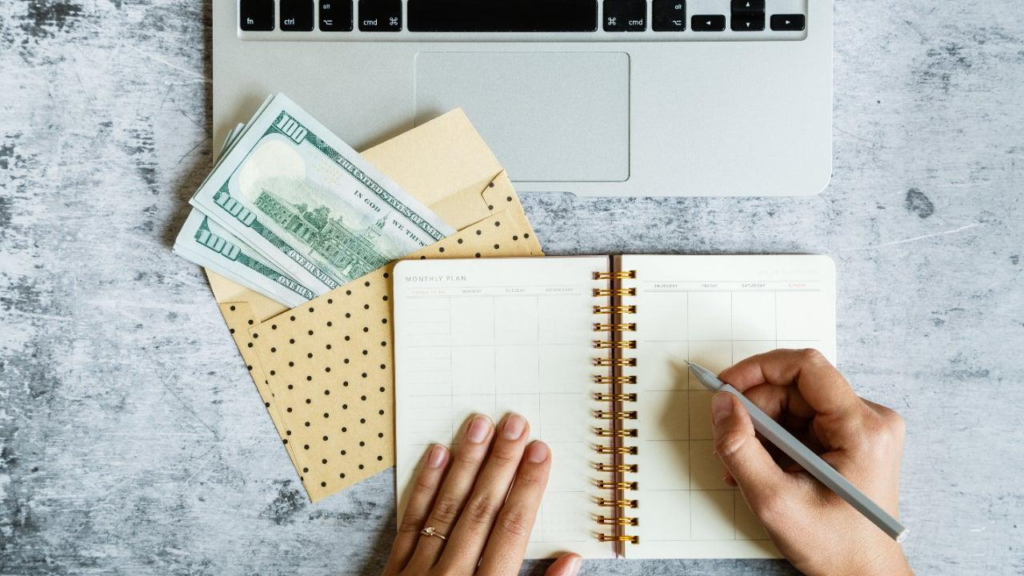

Does Cash Stuffing Actually Work? A 30-Day Experiment
Let’s be honest for a second.
We all know that feeling of swiping a plastic card. It is frictionless. It is easy. And sometimes, it feels a little too fake. You tap your card for a latte, then for gas, then for that random thing you saw on Instagram. At the end of the month, you look at your bank account and wonder, “Where did it all go?”
I have been there. In fact, most of us have.
Lately, however, there has been a massive trend taking over social media. It is colorful, it is strangely satisfying to watch, and Gen Z loves it. It is called cash stuffing.
But is this just another aesthetic trend for views, or is it a legitimate way to fix your finances?
At EverOakTales, we don’t just follow the crowd; we test things out. So, I decided to put my debit card in a drawer and live strictly on cash for 30 days. No cheating. No digital transfers. Just paper money and some envelopes.
Here is exactly what happened, and more importantly, whether you should try it too.
What Exactly Is Cash Stuffing?
Before we dive into my experiment, let’s break down what this actually is.
If you ask your grandmother, she will probably laugh and say, “Honey, that’s just a budget.” And she is right. Cash stuffing is essentially a rebranding of the old-school “envelope system” made popular by financial gurus like Dave Ramsey years ago.
The concept is simple.
First, you take your paycheck out in cash.
Next, you divide that cash into different categories (or envelopes).
For instance, you might have an envelope for groceries, one for dining out, one for gas, and one for self-care.
Here is the kicker: Once the money in the envelope is gone, it is gone. You cannot swipe a card to cover the difference. You have to wait until the next refill.
It sounds simple, right? However, in a world designed to make spending money as fast as possible, slowing down to count physical bills feels like a radical act.
The Setup: Getting Ready to Stuff

To make this experiment work, I had to get organized. I didn’t want to just carry loose bills in my pocket.
So, I bought a simple binder with clear zippered pouches. I sat down and looked at my bank statements from the last three months. It was a bit painful, to be honest. I realized I was spending way more on “random snacks” than I thought.
I decided on these five main categories for my cash stuffing experiment:
- Groceries:$400
- Dining Out / Coffee:$150
- Gas:$150
- Entertainment:$100
- Miscellaneous:$50
I went to the bank, withdrew the cash, and stuffed the envelopes. Seeing the physical money sitting there sparked a weird feeling. It felt like more money than when it’s just a number on a screen.
I was ready. Or so I thought.
Week 1: The Honeymoon Phase
The first week was surprisingly fun.
Every time I went to buy something, I felt very intentional. When I walked into the grocery store, I actually checked the prices. I had my “Groceries” envelope in my hand, and I knew I couldn’t go over.
Because of this, I put back a few items I didn’t really need. Do I need the fancy $8 cheese? Probably not.
I felt disciplined. I felt like I was in control.
Moreover, paying with cash felt nostalgic. Handing over bills and getting change back made the transaction feel real. I found myself thinking twice before buying a coffee because I didn’t want to break a $20 bill.
Result of Week 1: I was under budget. I felt like a financial genius.
Week 2: The Social Awkwardness
Then, reality set in.
Week two was where things got a little tricky. I went out to dinner with friends. Usually, when the bill comes, everyone just throws their cards on the table. It is quick and seamless.
This time, however, I had to pull out my binder.
I started counting out bills while my friends waited. It felt slow. It felt a little clunky. One friend asked, “Are you a drug dealer? Why do you have so much cash?” We laughed, and I explained the cash stuffing experiment.
They thought it was cool, but I felt a distinct bit of friction.
Additionally, I ran into an issue at a gas station that only took cards at the pump. I had to walk inside to prepay with cash. It only took two extra minutes, but in our fast-paced world, those two minutes felt like an eternity.
I was starting to see why we switched to digital payments. Convenience is addictive.
Week 3: The “Ouch” Moment
By week three, the novelty had worn off. And then, it happened.
I was eyeing a new pair of shoes online. Usually, I would just click “Buy Now” and worry about it later. But I couldn’t use cash online.
If I wanted those shoes, I would have to go to the bank, deposit the cash from my “Miscellaneous” envelope, and then buy them.
You know what happened? I didn’t do it.
The friction was too high. I realized I didn’t actually need the shoes; I just wanted the dopamine hit of buying them. Because cash stuffing made it difficult to spend impulsively, I saved that money.
This was the biggest breakthrough of the month. The system adds a “speed bump” between you and your bad habits. That pause is where the magic happens.
Week 4: The Final Verdict
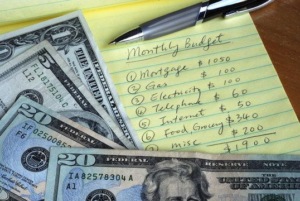
The month came to an end. I sat down at my table to look at what was left.
In a normal month, my checking account usually hovers near zero right before payday. I usually wonder if I can afford one last takeout meal.
But this time? I opened my envelopes.
- Groceries:$20 left.
- Dining Out:$0 (I used it all, obviously).
- Gas:$15 left.
- Entertainment:$40 left.
- Miscellaneous:$50 left (Thanks to not buying those shoes).
In total, I had $125 left over.
That might not sound like a million dollars, but for a single month of just changing how I paid, it was huge. That is $1,500 a year in savings, just by switching to cash.
Why Does Cash Stuffing Actually Work?
So, why does this method work so well? It is not magic. It is psychology.
The “Pain of Paying”
Psychologists have a term for this. When you hand over physical cash, your brain registers it as “pain.” You feel the loss. When you swipe a card, the pain is separated from the purchase. You don’t feel it until you see the bill later.
Cash stuffing brings that pain back to the moment of purchase. It forces you to ask, “Is this worth it?”
Visual Limits
Humans are visual creatures. When you look at a bank app, you see one big number. You might think, “I have $2,000, I can afford this pizza.
But you forget that the $2,000 also needs to cover rent, bills, and insurance.
With the envelope system, you only see what is available for that specific category. If the “Dining Out” envelope is empty, you are eating a sandwich at home. There is no guesswork.
It Stops Lifestyle Creep
Transitioning to cash stops you from upgrading your lifestyle without noticing. You have a hard cap on spending.
The Downsides (Let’s Keep It Real)
Of course, nothing is perfect. While I loved the savings, there were some annoying parts about cash stuffing.
- Security:Walking around with hundreds of dollars in your bag can feel unsafe. If you lose your wallet, that money is gone forever.
- Online Shopping:We live in a digital world. Paying bills online or buying things from Amazon requires a workaround. You either have to keep a “digital buffer” in your bank, or constantly go to the ATM to deposit cash.
- The Change: Everywhere. My car cup holder became a graveyard for pennies and dimes.
Who Is This For?
After 30 days, I have a clear idea of who should try this.
You should try cash stuffing if:
- You constantly overspend on small things (coffee, snacks, Target runs).
- You are a visual learner who struggles with budgeting apps.
- You are in debt and need to take drastic measures to stop using credit cards.
- You are Gen Z and want to try a viral challenge that is actually good for you.
You might want to skip it if:
- You live in a dangerous area where carrying cash is a risk.
- You travel a lot for work.
- You rely heavily on credit card points (and pay them off in full every month).
How to Start (Without Going Crazy)
If you want to try this, you don’t need to go “all in” like I did. You can do a hybrid version.
This is what I recommend for beginners:
Keep your fixed bills digital.
Leave the money for rent, internet, and car payments in your bank account. Put those on autopay.
Cash stuff your “problem areas.”
Identify the categories where you tend to overspend. For most people, this is groceries, food, and shopping. Just use cash for those.
Get a wallet you like.
If you are going to do this, make it enjoyable. Buy a binder or a wallet that makes you feel organized. If you like the aesthetic, you are more likely to stick with it.
Final Thoughts
At EverOakTales, we talk a lot about living with intention.
We often think that freedom means being able to buy whatever we want, whenever we want. But I learned that true freedom is knowing exactly where your money is going.
Cash stuffing isn’t just about saving a few dollars. It is about waking up. It is about breaking the trance of mindless consumption.
For 30 days, I stopped swiping and started paying attention. It was awkward at times, and yes, I missed the convenience of Apple Pay. But having that extra cash at the end of the month? That felt better than any impulse purchase ever could.
So, go ahead. Go to the ATM. Get some envelopes. Give it a try for one month.
Your future self (and your savings account) will thank you.
Frequently Asked Questions (FAQ)
- Isn’t walking around with cash dangerous?
This is the number one worry people have. Strictly speaking, yes, carrying cash has more risk than carrying a card you can freeze.
The Fix: Don’t carry your entire life savings with you. Only carry the envelopes you need for that specific trip. If you are going to the grocery store, just take the grocery envelope. Leave the rest safely at home in a fireproof box or a safe.
- How do I pay my bills if everything is in cash?
This is a great question. You shouldn’t try to pay your rent or electricity bill with cash unless your landlord literally lives next door.
The Fix: Use a “hybrid method.” Keep the money for fixed bills (rent, Netflix, insurance) in your bank account on autopay. Only withdraw cash for your variable spending, the things that fluctuate, like food, gas, and shopping.
- What happens if I run out of money in an envelope?
This is the hardest part, but also the most important. If your “Dining Out” envelope is empty on the 20th of the month, you stop eating out.
The Fix: You have two choices. You can either stay home and eat leftovers (the disciplined choice), or you can “borrow” from another envelope. For instance, you could take $20 from your “Clothing” envelope to pay for dinner. However, once you start borrowing, it is a slippery slope, so be careful.
- Does cash stuffing hurt my credit score?
No, not directly. Using cash doesn’t build credit, but it doesn’t hurt it either.
The Fix: If you are trying to build credit, use your credit card for those fixed bills we talked about (like Netflix or your phone bill) and set it to auto-pay. Use cash for your daily spending. This way, you keep your credit active but avoid racking up credit card debt on random purchases.
- What do I do with all the loose change?
Trust me, you will end up with a lot of coins.
The Fix: Turn it into a game. Get a “savings jar.” Every time you break a bill and get coins back, dump them in the jar. You will be surprised at how fast it adds up. I used my coin jar money to buy a nice coffee at the end of the month as a reward.