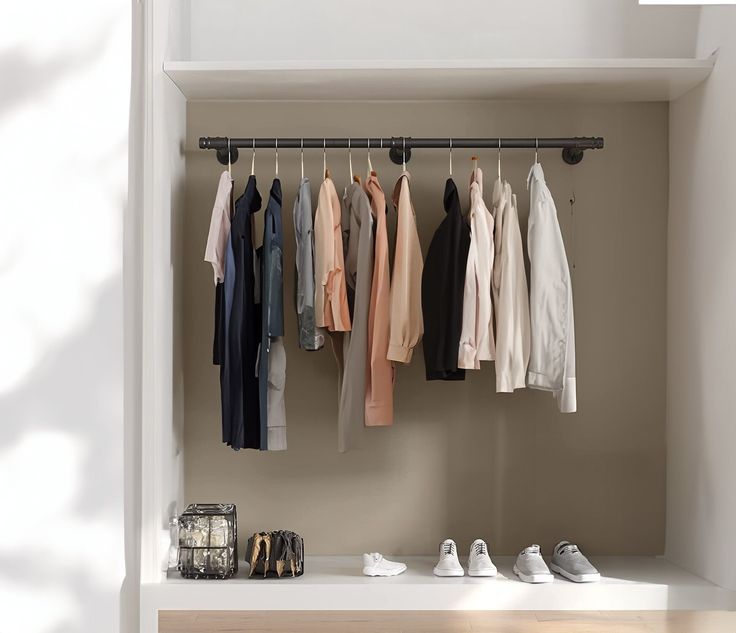

It is late December 2025. If you are anything like me, you are currently staring at a closet that is so full that it can’t be any more full, yet you feel like you have absolutely nothing to wear.
I spent the first half of this year chasing “micro-trends” buying that neon mesh top because it was viral on TikTok, and those uncomfortable boots just because a celebrity wore them once. The result? A depleted bank account and a pile of clothes that ended up in a donation bag three months later.
For 2026, I’m done. I am entering my “quality over quantity” era.
This isn’t just about minimalism; it’s about sustainability and preserving my sanity. A sustainable capsule wardrobe isn’t about throwing everything away and buying expensive “eco-friendly” hemp sacks. It’s about curating a small collection of pieces that mix and match perfectly, reducing decision fatigue and your carbon footprint.
Here is the exact strategy, color theory, and checklist I’m using to build my wardrobe for 2026.
Phase 1: The “Shop Your Closet” Audit
Before you scroll down to the checklist and open a shopping tab, stop. The most perfect and sustainable garment is the one already hanging in your closet.
When I started this audit last weekend, I realized I already owned the perfect oversized white button-down. It was just buried under three ugly sweaters I hadn’t touched since 2023.
My Rule for 2026: If it doesn’t fit right now, or if it scratches my skin, it goes. No “maybe one day” piles. If you haven’t worn it in 12 months, list it on Poshmark or donate it.

Phase 2: Defining Your Color Palette
A capsule wardrobe falls apart if the colors clash. You don’t need to wear only beige (boring!), but you do need a system. I use the 3-Category Rule:
Base Colors (60% of wardrobe): These are your heavy hitters. For me, it’s Black and denim blue. These hide stains well and match everything.
Neutral Connectors (30% of wardrobe): These bridge the gap. Think Cream, Grey, Camel, or White. They soften the harshness of the base colors.
The Accent (10% of wardrobe): This is where your personality shines. For 2026, the trend forecasts are pointing toward Deep Burgundy and Cobalt Blue. Pick one accent color per season so all your accessories match.
To read more :
Phase 3: The Ultimate 30-Piece Checklist
This checklist focuses on the “Core 30.” These are your workhorses. Note: This doesn’t include workout gear, pajamas, or underwear (please own more than 30 pairs of underwear).
The Tops (10 Items)
Focus on fit. If the shoulder seam isn’t hitting your shoulder bone, put it back.
The Perfect White Tee: Heavyweight cotton, boxy fit. Avoid thin fabrics that show your bra they look cheap and wear out fast.
Grey or Black Crewneck: Cashmere or high-quality cotton.
Striped Breton Top: A classic that instantly elevates a “jeans day.”
Oversized Button-Down: White or light blue (linen for summer, crisp cotton for winter).
Silk/Satin Cami: Great for layering under blazers or wearing alone on date night.
Chunky Knit Sweater: Cream or oatmeal. Look for 100% wool or cotton and avoid acrylic, it makes you sweat.
Fitted Turtleneck: Black. The ultimate layering piece for 2026 winters.
Graphic Tee: Vintage style. Keeps the vibe personal and not too “corporate.”
Denim Shirt: The “Canadian Tuxedo” look is back and staying.
Statement Blouse: Your pop of color (Red or Blue).
The Bottoms (7 Items)
Tailoring is your best friend here. A $50 pair of pants tailored for $20 looks like a $200 pair.
Straight-Leg Vintage Jeans: Medium wash. No rips.
Black Trousers: Wide-leg pleated pants.
Ecru/White Jeans: Yes, you can wear them in winter with a chunky knit.
Silk Midi Skirt: Bias cut.
Tailored Shorts: Linen blend (length should be mid-thigh).
Relaxed Joggers: Matching sets only. No old gym sweats.
A-Line Mini Skirt: Wool or leather.
The Layers (5 Items)
Oversized Blazer: Boxy and masculine. Check the men’s section at thrift stores for this.
Trench Coat: Beige or Olive.
Denim Jacket: Boxy fit (trucker style).
Wool Coat: Long, camel or black.
Cardigan: Cropped with nice buttons.
Shoes (5 Pairs)
If your feet hurt, the outfit is zero. Comfort is king in 2026.
White Sneakers: Leather (easier to clean than canvas).
Black Loafers: Chunky sole.
Ankle Boots: Low heel, walkable.
Strappy Sandals: Metallic or nude.
Knee-High Boots: Flat or low heel.
The Accessories (3 Items)
Leather Belt: Black with gold hardware.
Everyday Tote: Leather or vegan leather (must fit a laptop).
Structured Crossbody Bag: For weekends.
Fabric 101: How to Spot Quality
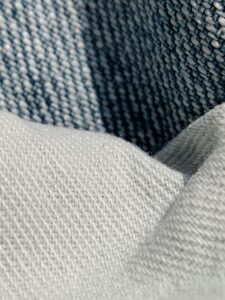
A capsule wardrobe only works if the clothes don’t fall apart. You have to become a label detective.
The Enemy: Polyester. Unless it’s recycled performance gear (like gym leggings), avoid polyester in everyday tops. It traps odors, pills after three washes, and is basically plastic.
The Hero: Natural Fibers. Look for Cotton, Linen, Wool, and Silk.
The Test: When shopping, do the “scrunch test.” Squeeze the fabric in your fist for ten seconds and let go. If it stays aggressively wrinkled, it’s going to be a pain to maintain. If it bounces back (or wrinkles gently), it’s a keeper.
The “Cost Per Wear” Mindset
If there is one thing you take away from this post, let it be the CPW (Cost Per Wear) formula.
In 2024, I bought 10 dresses for outdoor wear like: functions or any special events I only wore once or twice. 1,000for10dresses.Ihavewornthem15timestotal.TheCPWis
66.66.
I also bought 15 pairs of boots. I have worn them at least 100 times. 2,250for15pairsofboots(
150 each). I have worn them 100 times total.
The CPW is $22.50.
When building your 2026 checklist, don’t be afraid of the higher price tag on sustainable items. If you wear it everyday, it is cheaper than the fast-fashion alternative that falls apart.
How to Maintain Your Capsule (So it Lasts)
Because you have fewer clothes, you need to take better care of them. Here are my three lazy hacks for maintenance:
Wash Less: Seriously. Unless it has a visible stain or smells, just air it out. Over-washing destroys fibers.
Cold Water Only: Always wash on cold. It saves energy and prevents shrinking.
The De-Piller: Buy a $15 fabric shaver. It removes the fuzz from sweaters and makes them look brand new in seconds.
My Personal Takeaway
Switching to a capsule wardrobe hasn’t made my style “boring.” Ironically, it made me more creative. When you limit your options, you are forced to learn how to style that one blazer in five different ways.
Plus, getting dressed in the morning now takes me 5 minutes instead of 20. That is 15 extra minutes of sleep I’m getting every single day in 2026. And honestly? That’s the best accessory of all.
Frequently Asked Questions (FAQs)
Q: Won’t I get bored wearing the same 30 items?
A: Not if you accessorize! Jewelry, scarves, and belts change the look entirely. Also, remember: nobody notices you’re repeating outfits as much as you notice. Repetition is confident.
Q: Where is the best place to find sustainable clothes on a budget?
A: Thrifting is #1. For online options, check Vinted, Depop, or Poshmark. Search for high-quality brands like Everlane, Cos, or Reformation but buy them second-hand.
Q: Can I add trendy pieces?
A: Absolutely. The “Core 30” is your base. Feel free to add 2-3 “fun” trending items per season to keep things fresh. Just try to sell them or donate them responsibly when you’re done.